Retro Block Font: A Stylish Typeface for Small Business Branding
As a small business owner, I’ve learned that every detail matters when building a brand. One often overlooked but powerful tool is the right font. That’s why I was excited to discover Retro Block—a modern, bold display font that brings a clean yet eye-catching energy to any design. Whether you're launching a new product line, redesigning your logo, or creating social media content, this font can help your brand feel more cohesive and professional.
What Makes Retro Block Stand Out?
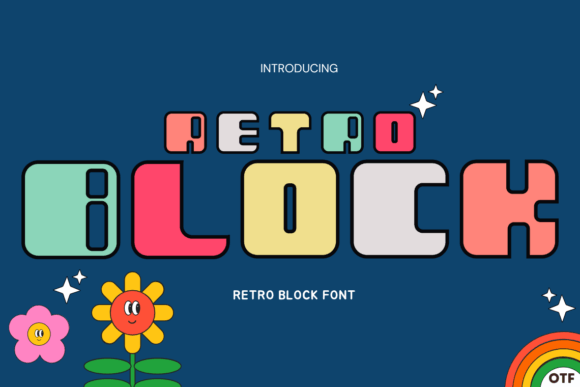
Retro Block has a distinct geometric structure with slightly rounded edges that give it a friendly yet confident personality. It’s a display font, meaning it’s designed to catch attention in headlines, logos, and other visual brand elements. Unlike overly ornate fonts, Retro Block strikes a balance between style and readability. It feels modern without being too trendy, making it a smart long-term choice for small businesses that want to maintain a consistent look over time.
How Retro Block Enhances Brand Consistency
Consistency is key when building brand recognition. When I started using Retro Block across my packaging, website banners, and Instagram stories, I noticed how much more unified my brand felt. Customers began to recognize my visual style more easily. Whether it's printed on a product label or used in a digital ad, this font helps create a clear, recognizable identity that aligns with my brand values—modern, approachable, and trustworthy.
Real-World Uses for Retro Block in Business Design
I’ve used Retro Block in a variety of customer-facing materials, and it works especially well in these areas:
- Logo design: Its bold structure makes it ideal for minimalist logos that need to stand out.
- Packaging design: Whether it's a candle jar or a coffee bag, Retro Block adds a clean, modern touch to product labels.
- Social media graphics: It looks great on Instagram and Pinterest visuals, especially for quotes or call-to-action text.
- Printed marketing: Flyers, business cards, and thank-you notes feel more polished with this font.
- Website headers: As a display font, it works well in hero banners and section titles to guide the viewer’s eye.
When to Use Retro Block (and When Not To)
Retro Block shines best when used for headlines, logos, and accent text. It’s not ideal for long paragraphs or body copy, especially in smaller sizes. I typically pair it with a clean sans serif font like Montserrat or Open Sans for supporting text. This combination gives a modern, balanced look that works well on websites and printed materials alike.
Readability in Real Business Settings
One thing I always test before committing to a font is how it looks in different formats. Retro Block holds up well on small product labels and mobile screens, which is important for e-commerce businesses and cafes with digital menus. However, I recommend previewing it at various sizes before printing packaging or using it on merchandise. A font that looks sharp on a screen might not render as clearly in a small sticker or embroidered patch.
Testing Retro Block Before Full Brand Rollout
Before applying Retro Block across all brand assets, I suggest creating mockups of your most important materials—like a product label or website header—and printing or previewing them in real-world conditions. Many font marketplaces offer a free sample version of Retro Block, which is a great way to test its performance before purchasing the full license.
Simple Font Pairing Ideas
Retro Block pairs well with both serif and sans serif fonts, depending on the tone you want to set. For a more casual, modern brand, I recommend pairing it with a rounded sans serif. For a slightly more formal or elegant look—like for a boutique or beauty brand—a serif font such as Playfair Display adds a nice contrast while keeping the overall design balanced.
Commercial Licensing Matters
When using Retro Block for your small business, be sure to check the font’s licensing terms. Not all free or premium fonts allow commercial use, especially when printing on products, creating templates, or using them in client work. Always confirm that you have the proper license to use the font in your specific applications—whether it’s for packaging, digital ads, or branded merchandise.
Final Thoughts on Choosing the Right Font for Your Brand
Fonts like Retro Block are more than just design elements—they’re tools for communication. When chosen thoughtfully, they can help your small business look more professional, consistent, and aligned with your target audience. Whether you're a café owner designing a new menu or an online seller branding your product packaging, Retro Block offers a modern, versatile option that works well across both print and digital platforms.