Smoky Burger: A Bold Display Font for Dynamic Web Design
Bringing Personality to Digital Layouts with Smoky Burger
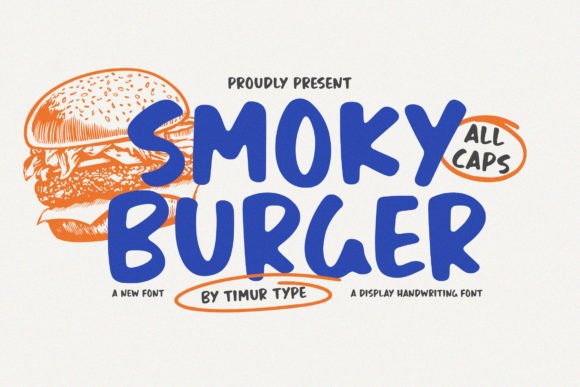
As a web designer, I’m always on the lookout for display fonts that add character without compromising readability. Smoky Burger fits the bill perfectly. It’s a handcrafted, bold typeface that exudes a casual, approachable vibe. The playful curves and uneven baseline give it a natural handwritten feel—ideal for digital spaces that want to feel human and engaging.
Unlike rigid, overly polished fonts, Smoky Burger feels like it was drawn with a marker on a chalkboard. That tactile quality makes it perfect for brands that want to project warmth and authenticity. Whether used in a hero header or a product banner, it draws attention without overwhelming the layout.
Best Use Cases for Smoky Burger in Web Design
This font shines in high-impact areas where visual appeal matters most. I’ve found it especially effective in:
- Hero section headlines
- Call-to-action buttons
- Logo text for lifestyle brands
- Blog headers and featured image overlays
- Branded banners on online stores
Its bold nature makes it less suitable for long-form body copy, but that’s by design. Smoky Burger is meant to be a supporting actor in a well-balanced typographic system. When used strategically, it enhances the visual hierarchy and guides user attention exactly where you want it.
Readability and Visual Rhythm in Responsive Layouts
One of the first things I test when using a decorative font like Smoky Burger is its legibility across screen sizes. On desktop, the font’s textured strokes and open counters maintain clarity even at smaller sizes. But on mobile, I recommend using it sparingly—think headlines, short buttons, or logo elements.
For dark or light backgrounds, Smoky Burger holds up well, especially when paired with ample contrast. I’ve used it over textured images with great success by applying a subtle drop shadow or a semi-transparent overlay behind the text. This helps maintain readability without sacrificing the font’s expressive character.
Brand Tone and Emotional Impact
Typography plays a crucial role in shaping brand tone. Smoky Burger has a friendly, slightly rebellious personality—perfect for casual eateries, creative studios, boutique brands, or lifestyle entrepreneurs. It’s not overly formal, but it still carries enough visual weight to feel intentional and professional.
When designing a coaching website or a course landing page, I’ve used Smoky Burger in the main headline to inject warmth and energy. It pairs well with more neutral supporting fonts, creating a balanced contrast between personality and clarity.
Font Pairing Strategies for Web Design
Smoky Burger works best when combined with simpler, more readable fonts. Here are a few combinations I’ve tested successfully:
- Modern Sans Serif – Pair with Montserrat or Inter for body text to keep the layout clean and contemporary.
- Classic Serif – Use with a serif like Playfair Display for editorial-style layouts or premium brand identities.
- Minimal Monospace – For tech or creative coding portfolios, a clean monospace font creates an interesting contrast.
These pairings maintain visual harmony while leveraging Smoky Burger’s expressive qualities where they matter most—like in headlines or key conversion points.
Technical Considerations for Web Use
Before embedding Smoky Burger into a live site, check the font package for essential technical features:
- Webfont formats – Make sure it includes WOFF2 and EOT for broad browser support.
- Character set – Look for extended Latin and multilingual support if your audience is international.
- Alternates and ligatures – Some versions offer stylistic alternates that can enhance the font’s organic look.
- Weight variations – While Smoky Burger is typically a single weight, check if bold or lighter variants exist for added flexibility.
For performance, only load the character sets and font styles you actually use. This keeps load times low and ensures the font renders quickly across devices.
Commercial Licensing and Usage Rights
When using Smoky Burger for client work or commercial websites, always verify the font’s licensing terms. Most premium display fonts require a commercial license for use in:
- Client websites
- Online store branding
- Digital templates or themes
- Landing pages with embedded webfonts
Some licenses also cover app interfaces, digital ads, and branded content. If you're unsure, reach out to the font provider or consult the EULA (End User License Agreement) included with the font files.
Real-World Design Applications
I’ve used Smoky Burger across several digital projects with strong results:
- Creative Portfolio Site – For a photographer’s logo and intro header, giving the brand a warm, approachable tone.
- Boutique Coffee Shop Storefront – In hero banners and product labels to create a casual, handcrafted look.
- Online Course Sales Page – For headline text and feature highlights, making the layout feel more personable.
- Branded Email Templates – In header graphics to maintain brand consistency across web and email.
In each case, Smoky Burger helped reinforce the brand’s personality while supporting clear visual communication.